
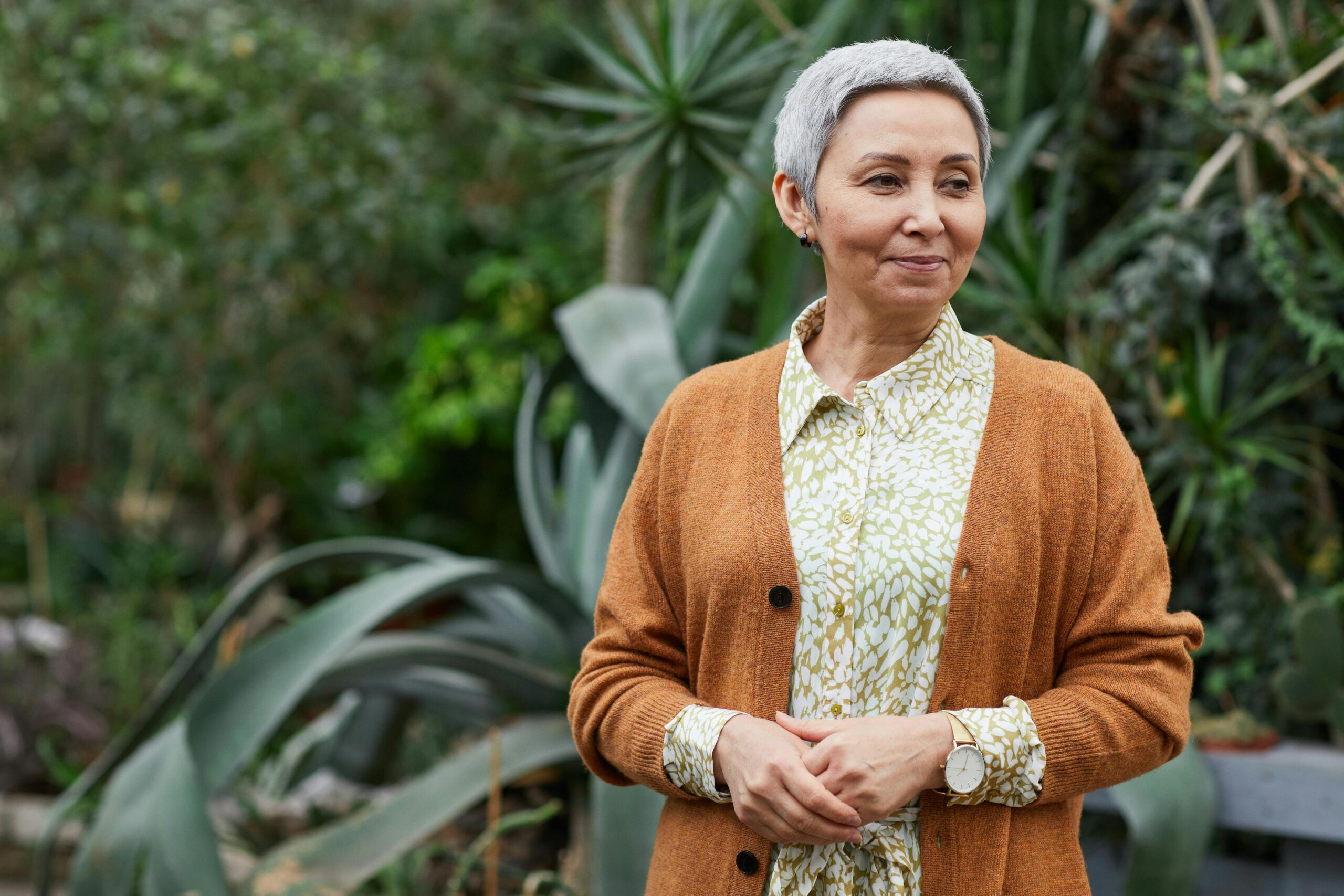
Retirement in Hawaii often means staying active. Many retirees spend their days walking along the shoreline, gardening, golfing, swimming, or exploring local trails. Remaining active is one of the best ways to support long-term health, but it also makes balance and stability more important as the body changes with age.
Falls are one of the most common health concerns for older adults, yet many of them are preventable. With the right approach to balance, mobility, and strength, retirees can continue enjoying an active lifestyle with greater confidence and safety.
Why Balance Changes With Age
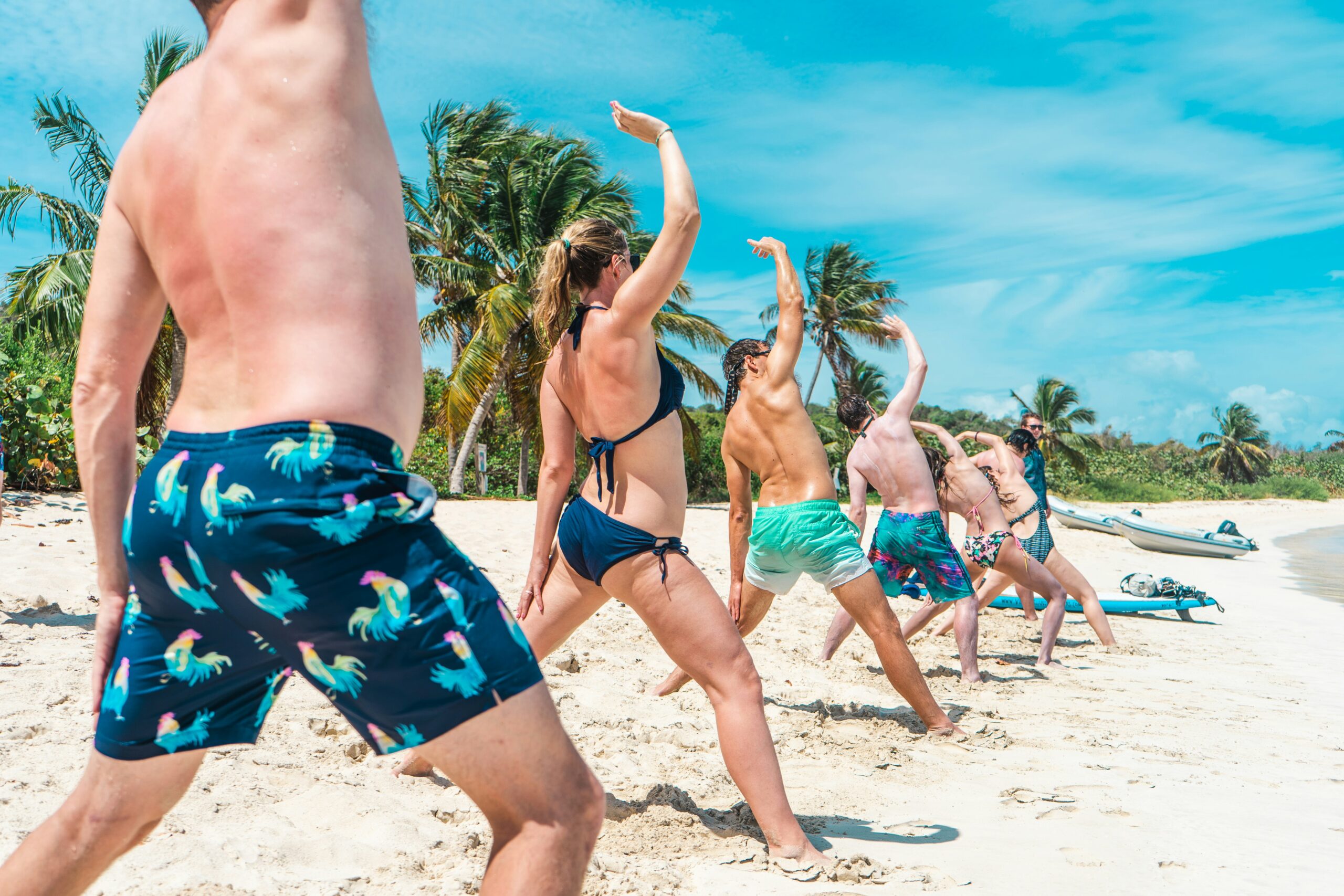
Balance is something most people rarely think about until it becomes difficult. As we age, several systems that help maintain stability naturally change. These include:
- Muscle strength
- Joint flexibility
- Vision
- Inner ear balance mechanisms
- Reaction time
When these systems become less responsive, it becomes easier to lose stability during everyday activities like walking, stepping off curbs, or navigating uneven surfaces. For active adults over 50, improving balance is an important part of staying independent and continuing to enjoy daily activities.
Why Fall Prevention Matters For Seniors
A single fall can lead to injuries that affect mobility and confidence. Even when a fall does not cause serious harm, it can create fear of falling again, which sometimes leads people to reduce activity levels.
Unfortunately, reducing movement can weaken muscles and further increase fall risk over time. Fall prevention for seniors focuses on strengthening the body, improving coordination, and identifying potential physical limitations before they lead to injury.
The Role Of Spinal Health In Balance
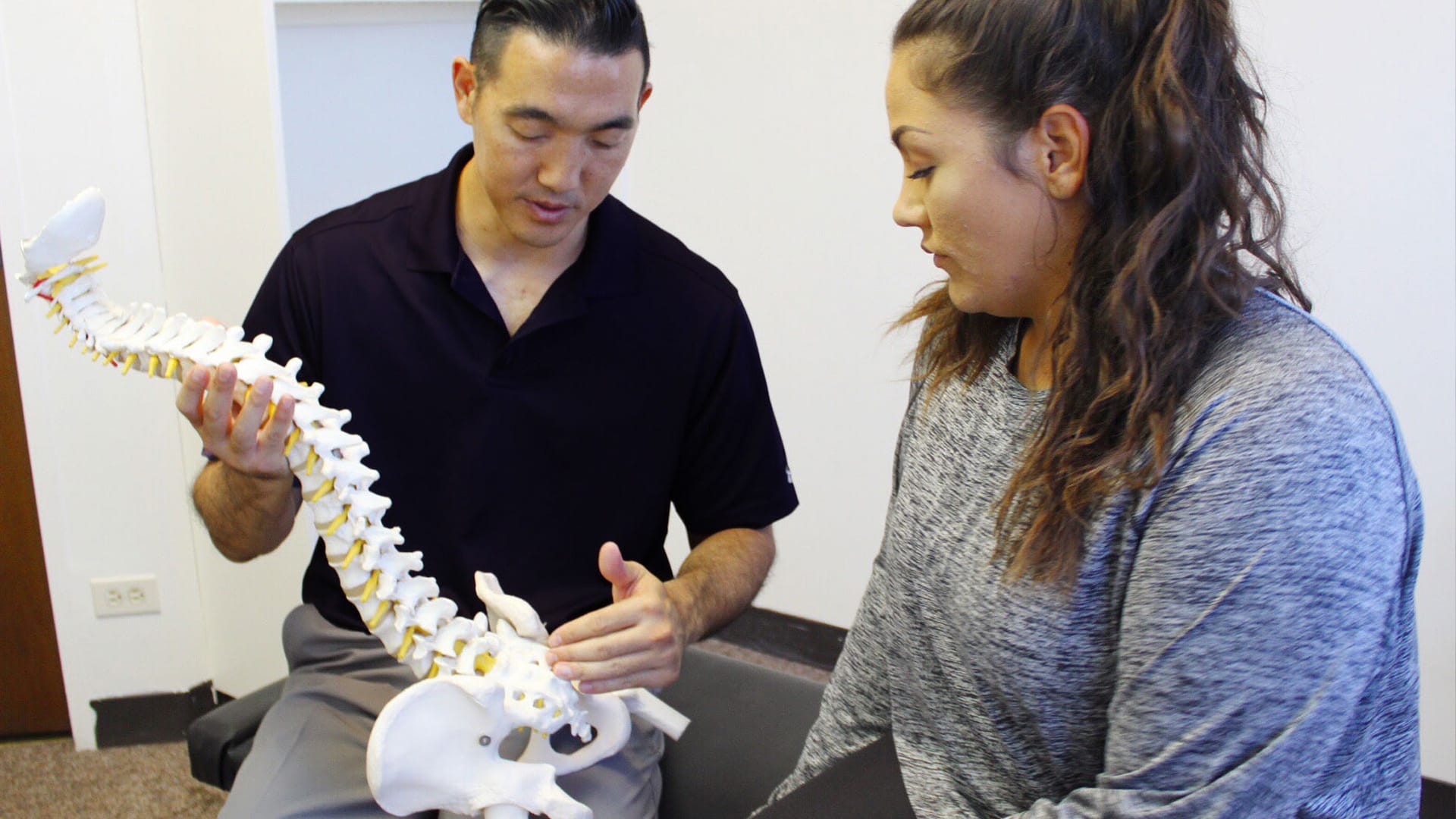
The spine plays an important role in balance and coordination. It protects the nervous system, which carries signals between the brain and the body.
When joints in the spine become stiff or restricted, those signals may not move as efficiently. This can affect posture, movement patterns, and the body’s ability to react quickly when balance shifts. Full-body chiropractic care focuses on supporting spinal alignment and joint mobility, helping the body move more naturally and comfortably.
How Chiropractic Care Supports Senior Wellness
Chiropractic care can be an important part of senior wellness for those who want to stay active. By supporting joint mobility and spinal alignment, chiropractic adjustments may help improve movement and comfort during daily activities.
Many retirees find that regular care helps reduce stiffness, improve posture, and support better mobility. When combined with balance exercises and light strength training, chiropractic care can help create a more stable foundation for movement.
For many patients, the goal is not just pain relief. It is maintaining independence and continuing to participate in the activities that make life enjoyable.
Aging Gracefully While Staying Active

Growing older does not mean slowing down completely. Many retirees in Hawaii remain highly active and continue enjoying the outdoors, social activities, and travel. The key is maintaining the physical abilities that support those activities. Balance, strength, and mobility all play a role in aging gracefully.
Taking a proactive approach to fall prevention allows older adults to stay confident in their movement and continue enjoying the lifestyle they have built.
Supporting Active Retirees In Hawaii
Staying mobile and independent is one of the most valuable parts of healthy aging. Addressing balance and stability early helps reduce the risk of injuries that could interfere with an active retirement.If you are interested in improving balance or learning more about fall prevention for seniors, our team is happy to help. A personalized care plan that includes chiropractic support and balance-focused exercises can help you continue enjoying an active lifestyle in Hawaii.