

Few places offer hiking quite like Hawaii. From coastal paths to steep volcanic climbs, the terrain is as rewarding as it is demanding. Trails like Koko Head Trail, Diamond Head, and Manoa Falls Trail draw hikers year-round, whether for a quick morning workout or a weekend adventure.
But while the views are worth it, the physical strain is real. Many hikers finish these trails with sore knees, tight hips, or lingering lower back discomfort. If that sounds familiar, it is usually not just about the hike itself. It is about how the body is moving during it.
Why Hiking Can Lead To Knee And Hip Pain
Hiking challenges the body in ways that everyday walking does not. Inclines demand more from the hips and glutes, while descents place repeated pressure on the knees. Over time, especially on longer or steeper trails, those forces can add up.
Pain often develops when certain muscles are overworked while others are not doing their share. Tight hips, weak stabilizing muscles, or small alignment issues can all shift how force travels through the legs. Instead of being evenly distributed, that stress tends to land directly in the knees or lower back.
This is why some people feel fine during a hike but wake up the next day with stiffness or soreness that seems out of proportion.
The Connection Between Hip Alignment And Knee Pain
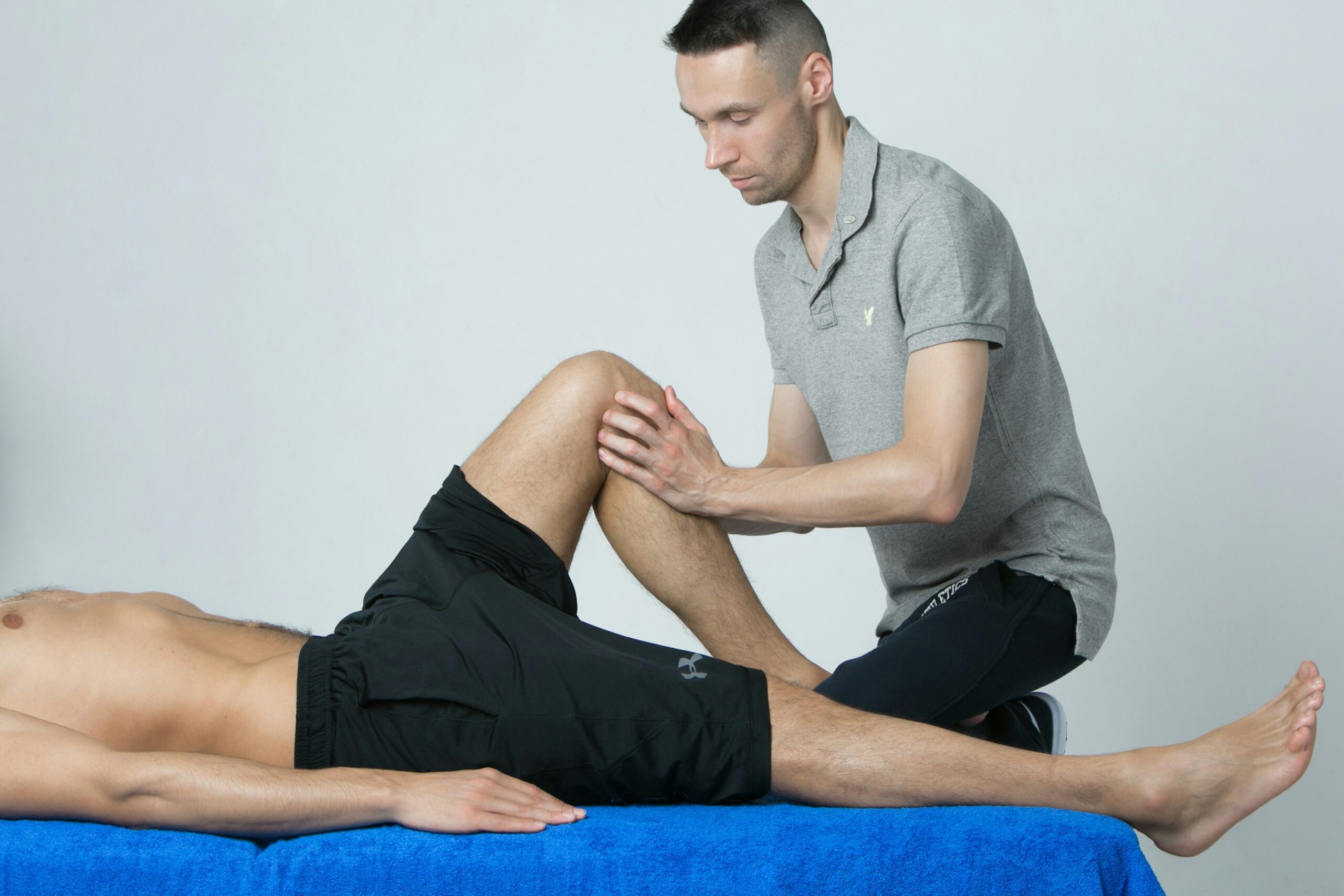
When knee pain shows up after hiking, it is easy to assume the knee is the main problem. In many cases, the issue actually starts higher up. The hips control how the legs move with each step. If the hips are tight or not moving evenly, the knees are forced to compensate.
Over the course of a long hike, that compensation can lead to irritation and discomfort. Improving hip alignment and mobility often reduces the strain placed on the knees. When the hips move more freely and stay stable, each step becomes more efficient and less stressful on the joints.
Why Downhill Hiking Feels Tougher On Your Body
Most hikers expect the climb to be the hardest part, but descents are often what cause the most joint discomfort. Walking downhill requires the body to control momentum with each step, which increases the load on the knees and hips.
This repeated braking motion can fatigue the muscles that support the joints. Once those muscles tire out, the joints begin to absorb more of the impact. That is when soreness starts to build, especially around the knees. On trails like Koko Head or Diamond Head, where elevation changes are significant, this effect becomes even more noticeable.
Common Hiking Injuries In Hawaii

Hiking injuries in Hawaii are often tied to overuse and terrain rather than sudden accidents. Steep inclines, uneven footing, and long distances all contribute to joint stress.
It is common for hikers to exprience knee soreness after descents, tight hips after steep climbs, or general stiffness through the lower body. These issues are especially common for people who work from home or spend most of their week sitting and then take on a challenging hike over the weekend. The body is capable of handling these demands, but it often needs preparation and proper movement to do so comfortably.
Preparing Your Body For The Trail
Preparation does not need to be complicated, but it does matter. Taking a few minutes to get the body moving before a hike can help reduce strain later on.
A short walk before starting a steep climb helps ease the body into activity. Gentle hip and leg movement can improve flexibility, while simple activation exercises help the muscles engage more effectively. Wearing supportive footwear also plays a role in how force is absorbed through the legs.
These small steps help set the tone for how your body handles the trail.
How Chiropractic Care Supports Active Hikers
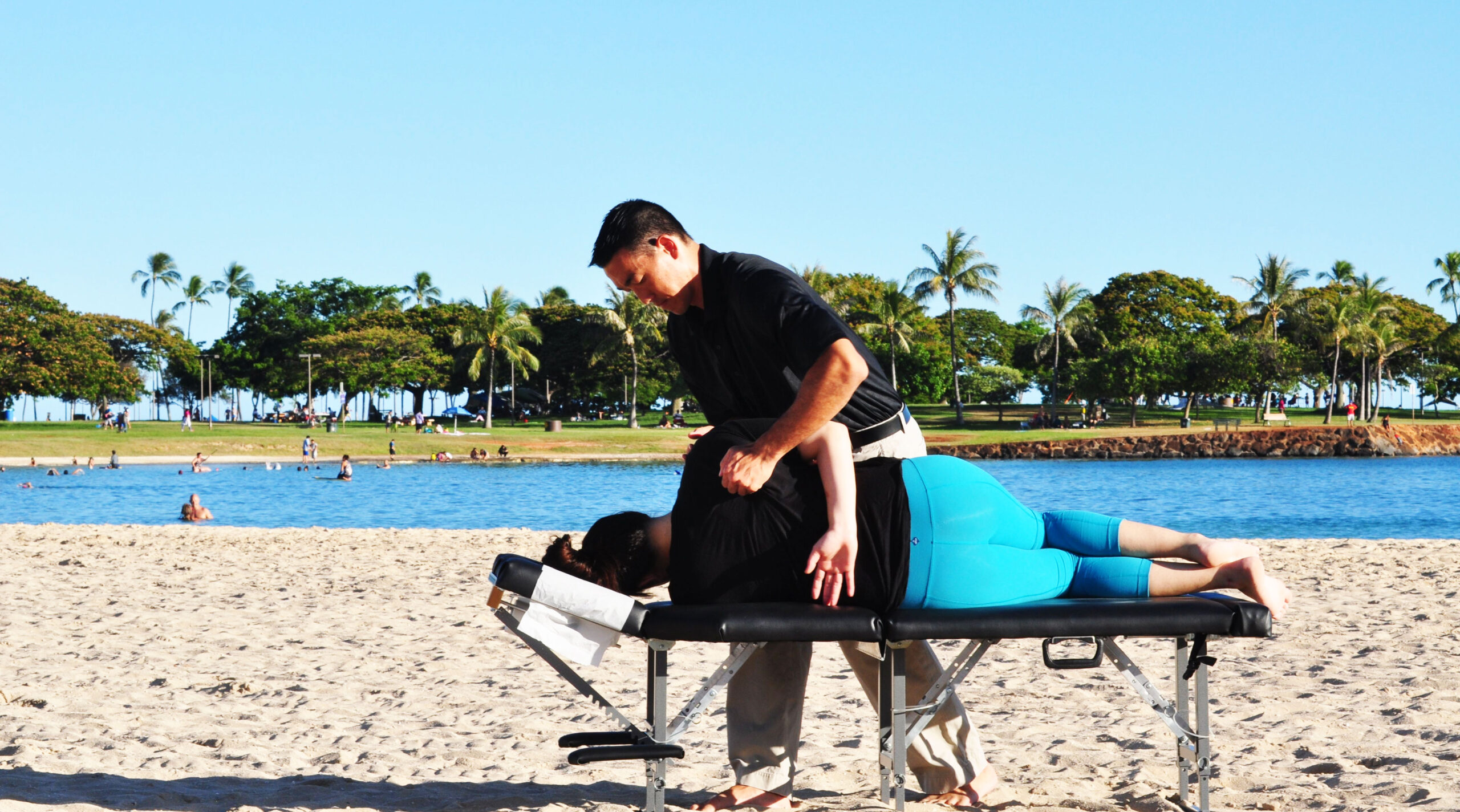
Chiropractic care focuses on how the joints move and how the body functions as a whole. For hikers, this often means addressing the hips, spine, and surrounding muscles. When joint mobility improves, the body can distribute stress more evenly during movement. This may reduce the strain that leads to knee pain after hiking and help the hips move more naturally.
Care often includes not just adjustments, but also guidance on movement, posture, and simple exercises that support better alignment during activity.
Recovery Matters More Than You Think
What you do after a hike can be just as important as how you prepare for it. If the body is left tight and fatigued, small issues can turn into lingering discomfort.
Gentle stretching later in the day helps maintain mobility, while staying hydrated supports muscle recovery. Light movement, such as walking or easy activity, can keep the joints from stiffening up. If soreness sticks around for several days or becomes more intense over time, it may be a sign that the joints and muscles need additional support.
Staying Active On Hawaii’s Trails

Hiking is one of the best ways to experience the natural beauty of Hawaii. Staying comfortable on the trail allows you to continue exploring the islands without worrying about lingering pain afterward.
If you frequently experience knee pain after hiking or notice tightness through the hips and lower back, chiropractic care may help support better movement and recovery.
Our team works with active patients throughout the week who want to stay ready for their next outdoor adventure. If you are dealing with hiking injuries in Hawaii or want to support your body before tackling your next trail, scheduling an appointment is a great place to start.