

Stress shows up in more places than most people expect. It is not just a mental or emotional experience. It can affect digestion, sleep, energy levels, and often the way your body feels day to day. Stress can affect anyone, even here in Hawaii, where life may look relaxed from the outside. Between work, family, commuting, and daily responsibilities, tension can still build up in the neck, shoulders, and lower back.
If you have ever noticed your back tightening during a stressful week or your posture changing after long periods of focus, there is a reason for it. The body is deeply connected, and one of the most important links is between the gut, brain, and spine.
What Happens In The Body During Stress

The nervous system acts as the body’s communication network. It sends signals between the brain and the rest of the body, including muscles, joints, and internal organs. The spine plays a central role in protecting this system. When the spine moves well, signals can travel more efficiently. When movement becomes restricted, it may affect how those signals are transmitted.
This connection is why stress can influence both how your body feels and how it functions internally. When the body is under stress, it shifts into a more alert state. This response is helpful in short bursts, but when it continues for long periods, it can start to affect physical health. Muscles tend to tighten, breathing patterns may change, and posture often shifts forward. Many people carry this tension in the neck and back without realizing it.
At the same time, stress can affect digestion and gut function, which is where the gut-brain connection comes into play. The body does not separate these systems. They respond together.
The Role Of The Spine, Gut, & Brain In Stress And Back Pain
Stress and back pain are closely linked. When muscles stay tight for extended periods, they can pull on the spine and limit normal movement.
This is where the concept of joint restriction, often referred to as subluxation in chiropractic care, becomes relevant. When joints in the spine are not moving as they should, it can contribute to stiffness, discomfort, and changes in how the nervous system communicates with the body. While stress does not directly cause structural damage in most cases, it can create the conditions that lead to ongoing tension and irritation.
The gut and brain communicate constantly through the nervous system. Stress can influence digestion, and digestive discomfort can, in turn, affect how the body feels overall. When the body is under stress, it may prioritize immediate responses over normal digestive function. This can lead to changes in how food is processed and how the body absorbs nutrients. For some, this connection shows up as both digestive discomfort and physical tension at the same time. Addressing one part of the system often supports the others.
How Chiropractic Care Supports Nervous System Function

Chiropractic care focuses on improving how the spine moves and functions. By addressing areas of restriction, care may help support better communication within the nervous system. When joint mobility improves, many patients notice reduced tension, better posture, and improved comfort throughout the day.
While chiropractic care does not eliminate stress itself, it can help the body respond to stress more effectively. This approach fits within a broader view of holistic health, where supporting the whole body is often the goal.
Supporting Nervous System Regulation In Daily Life
Managing stress is not about removing it entirely. It is about helping the body handle it more efficiently. Small daily habits can make a meaningful difference.
Regular movement, spending time outdoors, and maintaining consistent sleep patterns all support nervous system regulation. Being aware of posture during work and relaxation also helps reduce unnecessary strain on the spine. These habits work well alongside chiropractic care to support overall well-being.
Why A Whole Body Approach Matters
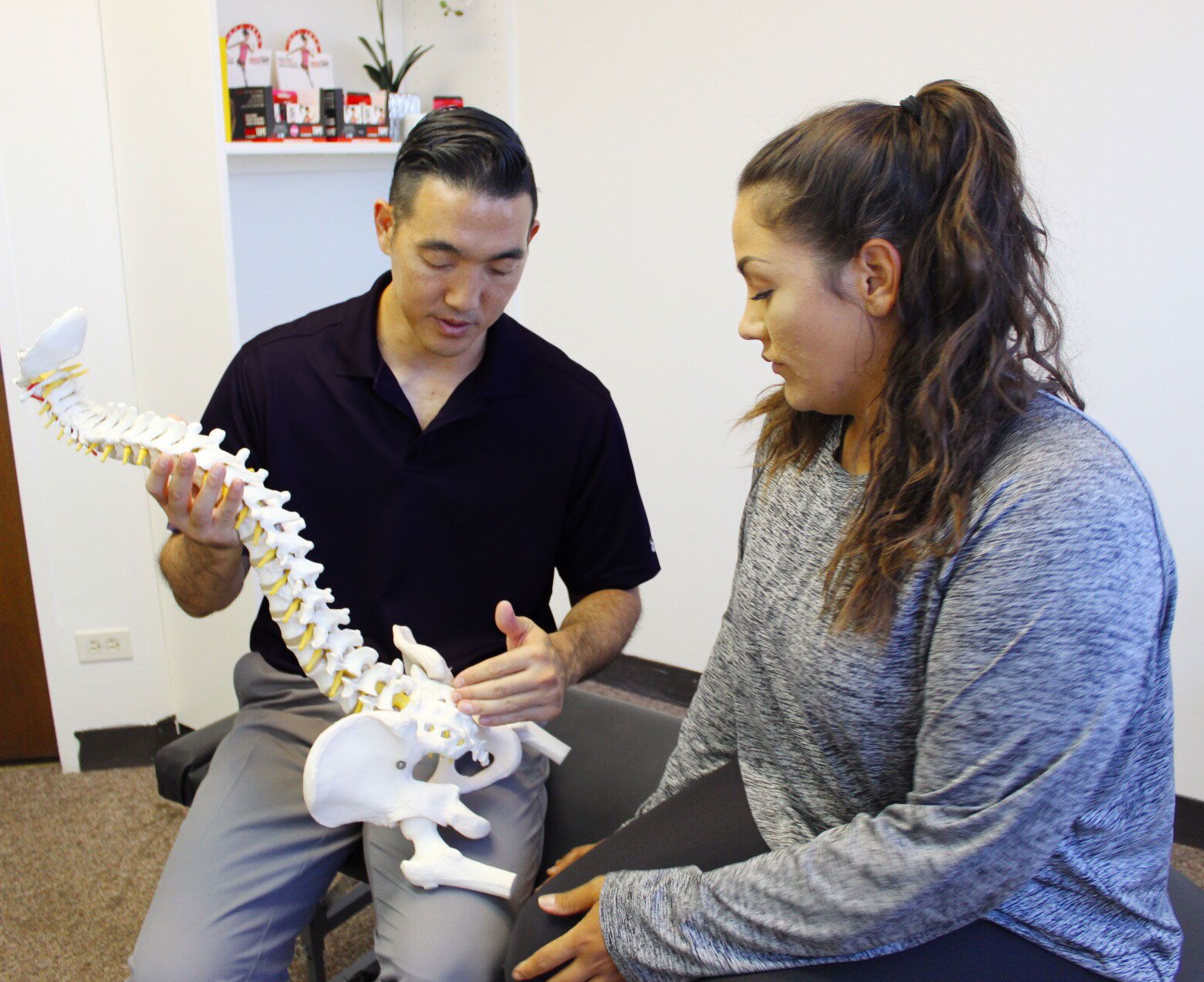
The connection between the gut, brain, and spine highlights how closely the body’s systems work together. Focusing on one area while ignoring the others can limit progress. A more complete approach considers how stress, movement, and daily habits interact. By supporting the nervous system and improving spinal function, it becomes easier for the body to maintain balance.
This is especially important for people who experience both physical discomfort and the effects of ongoing stress. Living in Hawaii offers many opportunities to support a balanced lifestyle, but stress can still be part of daily life. Paying attention to how your body responds is an important step toward staying healthy and comfortable.
If you are dealing with stress and back pain or are interested in a more holistic approach to care, our team is here to help. Chiropractic care can be part of a plan that supports nervous system function, mobility, and overall wellness.
Scheduling an appointment is a simple way to take a closer look at how your body is responding to stress and what steps may help you feel better.