

If you notice a clicking sound when you open your mouth, feel tension around your jaw, or experience headaches that seem to come out of nowhere, the source of the problem might not be where you think. In many cases, what feels like a headache or facial tension can actually begin in the jaw. For patients in Honolulu, TMJ discomfort is a surprisingly common issue.
The temporomandibular joint, often called the TMJ, connects the jaw to the skull and plays a major role in everyday movements like speaking, chewing, and yawning. When this joint becomes irritated or misaligned, it can create symptoms that affect far more than the jaw itself.
Understanding how TMJ issues develop and how chiropractic care may help can be an important step toward finding lasting relief.
What Is The Temporomandibular Joint?
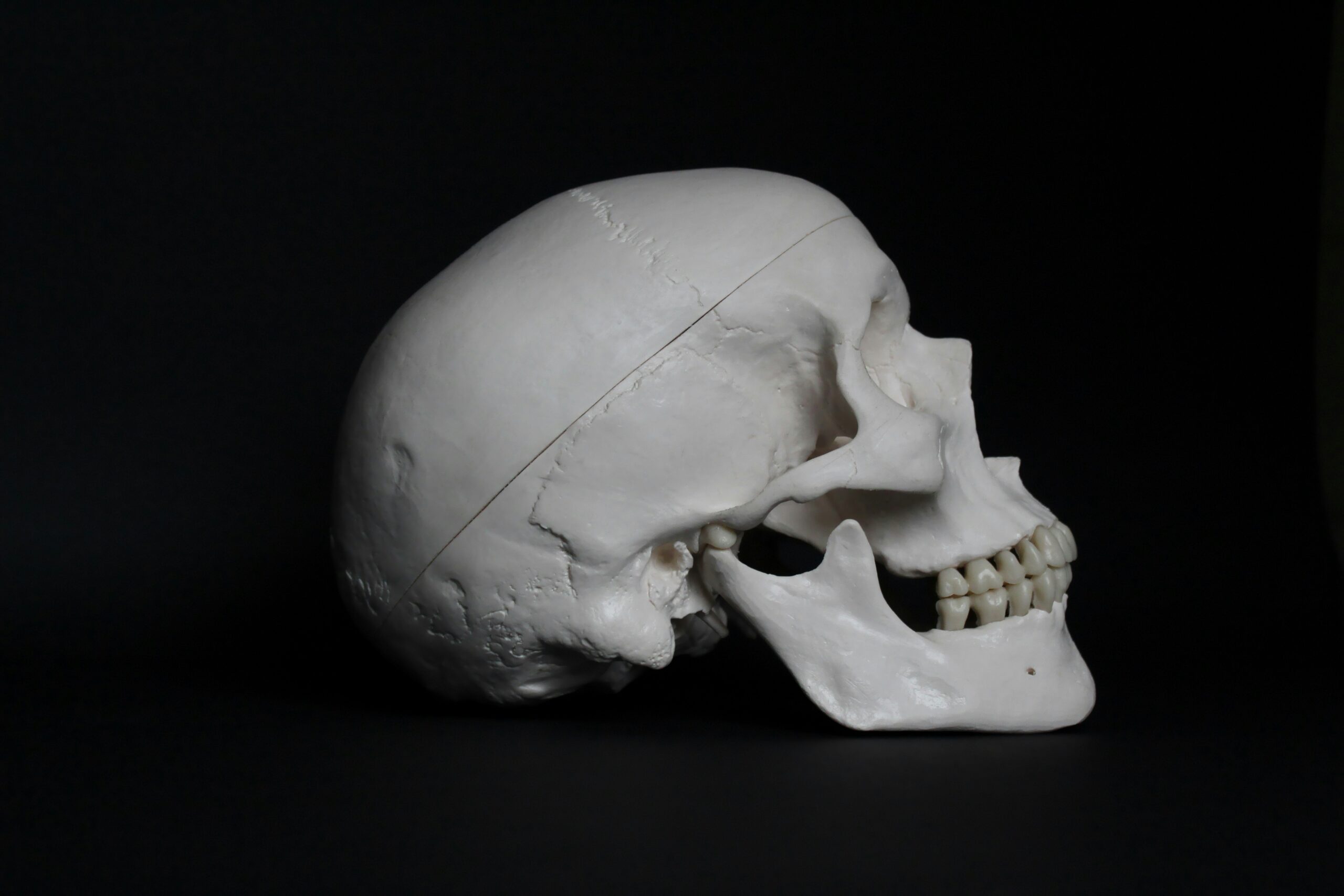
The temporomandibular joint is located just in front of the ear on each side of the head. It works like a hinge and sliding joint combined, allowing the jaw to move smoothly in multiple directions.
Because this joint is used constantly throughout the day, it experiences frequent stress. Activities like chewing tough foods, clenching the jaw, grinding teeth, or even poor posture can contribute to irritation in the joint. When the TMJ is not functioning properly, the surrounding muscles and nerves can become strained, leading to pain and tension in nearby areas.
Signs You May Be Dealing With TMJ Dysfunction
TMJ dysfunction can appear in several ways. Some symptoms are directly related to the jaw, while others may seem unrelated at first.
Common signs include:
- Clicking or popping when opening the mouth
- Jaw soreness or stiffness
- Pain near the ear or along the jawline
- Difficulty fully opening the mouth
- Facial tension or fatigue when chewing
Many people also experience headaches and jaw tension at the same time. Because of the way nerves and muscles connect through the head and neck, TMJ irritation can easily contribute to tension headaches.
Why Your Headaches Might Actually Be Your Jaw

Headaches often develop when muscles in the head, neck, and jaw become overworked or inflamed. Jaw clenching and teeth grinding, especially during sleep, can create constant tension in these muscles. This tension can travel through the temples, the sides of the head, and even into the neck and shoulders.
For some patients, treating the jaw itself helps reduce the frequency and intensity of headaches. Identifying the jaw as the source of discomfort is an important step toward meaningful relief.
The Connection Between The Jaw And The Neck
The jaw does not function in isolation. It works closely with the muscles and joints of the neck and upper spine. When posture shifts forward, which often happens with prolonged phone or computer use, extra stress is placed on both the neck and the TMJ.
This is one reason why patients who spend long hours sitting or working at a desk sometimes experience jaw pain or clicking. Chiropractic care focuses on improving posture issues, joint movement, and spinal alignment, which can help reduce tension that contributes to TMJ discomfort.
How Chiropractic Care May Help TMJ Pain
Chiropractic care for TMJ issues often focuses on restoring balance to the muscles and joints surrounding the jaw and neck. Treatment may involve gentle adjustments to the cervical spine, which can help reduce strain that affects the jaw.
In many cases, care may also include:
- Soft tissue therapy around the jaw and neck
- Graston Technique to help reduce muscle and fascia tension
- Posture guidance for daily activities
- Exercises that help support healthy jaw movement
Your first visit is designed to be gentle and informative. We take time to understand your symptoms, check how your jaw and neck are moving, and explain what may be contributing to your discomfort before recommending a personalized care plan.
By addressing these contributing factors, chiropractic care may help improve joint mobility and reduce muscle tension.
Taking A Whole Body Approach To Jaw Tension

TMJ discomfort often responds best to a comprehensive full-body chiropractic approach that considers posture, muscle tension, and daily habits. Because the jaw is closely connected to the neck and spine, improving overall alignment can help support better function in the joint.
For many patients, this approach leads to reduced jaw tension, fewer headaches, and improved comfort when speaking or eating.
Finding TMJ Relief In Honolulu
Jaw pain and clicking should not be something you simply learn to live with. With the right evaluation and care plan, many patients find meaningful improvement in both jaw function and overall comfort.
If you are dealing with jaw tension, headaches, or clicking sounds when you open your mouth, chiropractic care may be able to help. Our team is experienced in evaluating TMJ issues and developing personalized care plans that support long-term relief.
If you are looking for TMJ relief in Honolulu, scheduling an appointment is a great first step toward understanding what may be causing your discomfort and how to address it.