

Most people think of chiropractic care in terms of back pain or joint stiffness. But your body is doing much more behind the scenes. Your nervous system controls how you move, recover, and respond to stress throughout the day.
When that system becomes overloaded, the signs are not always obvious at first. They can show up as tension, fatigue, or small changes in how your body feels and functions. For many people these signals are easy to overlook until they start affecting daily life.
Chiropractic care goes beyond quick adjustments. It focuses on helping the body reset and function more efficiently. You can think of it as supporting a system-wide reboot rather than just addressing one area at a time.
What Does It Mean For The Nervous System To Be Overloaded?

Your nervous system constantly processes information from your environment, your movement, and your internal systems. When stress builds up, whether physical or mental, the system can become less efficient at handling that input.
This can lead to tension, slower recovery, and a general feeling that your body is not keeping up the way it used to. While occasional stress is normal, ongoing overload can affect how you feel day to day. Recognizing the early signs can help you take action before those patterns become more persistent.
Sign 1: Constant Muscle Tension
One of the most common signs of nervous system overload is ongoing muscle tension. This often shows up in the neck, shoulders, and lower back.
Even when you are not actively doing anything strenuous, the muscles may feel tight or fatigued. This tension is often linked to how the body responds to stress and how the nervous system signals the muscles to stay engaged. Over time, this can lead to discomfort and reduced mobility.
Sign 2: Feeling Stiff Or Restricted
If your body feels stiff when you wake up or after sitting for a short period, it may be a sign that your joints are not moving as freely as they should.
Restricted movement can affect how signals travel through the nervous system. When joints are not moving properly, the surrounding muscles may compensate, which can add to the feeling of stiffness. This is often one of the first physical signs that something is off.
Sign 3: Fatigue That Does Not Match Your Activity Level
Feeling tired after a long day is normal. Feeling drained even when you have not done much can point to something deeper.
When the nervous system is under constant stress, it can affect how the body manages energy. You may notice that it takes longer to recover after activity or that your energy levels fluctuate more than usual. This type of fatigue is often overlooked because it does not always come with pain.
Sign 4: Frequent Headaches Or Jaw Tension
Headaches and jaw tension are often linked to how the body handles stress. Tight muscles in the neck, shoulders, and jaw can create pressure that leads to discomfort in the head.
Some people notice headaches building throughout the day, while others wake up with jaw soreness or tightness. These patterns can be connected to how the nervous system regulates muscle activity. Addressing the underlying tension can help reduce how often these symptoms appear.
Sign 5: Difficulty Relaxing Or Staying Comfortable
When the nervous system is overloaded, it can be harder for the body to shift into a relaxed state. You may find it difficult to fully unwind, even during downtime.
This can show up as restlessness, trouble getting comfortable, or a sense that your body is always slightly tense. Over time, this can affect sleep quality and overall well-being. Supporting the nervous system can help the body transition more easily between activity and rest.
How Chiropractic Care Can Help
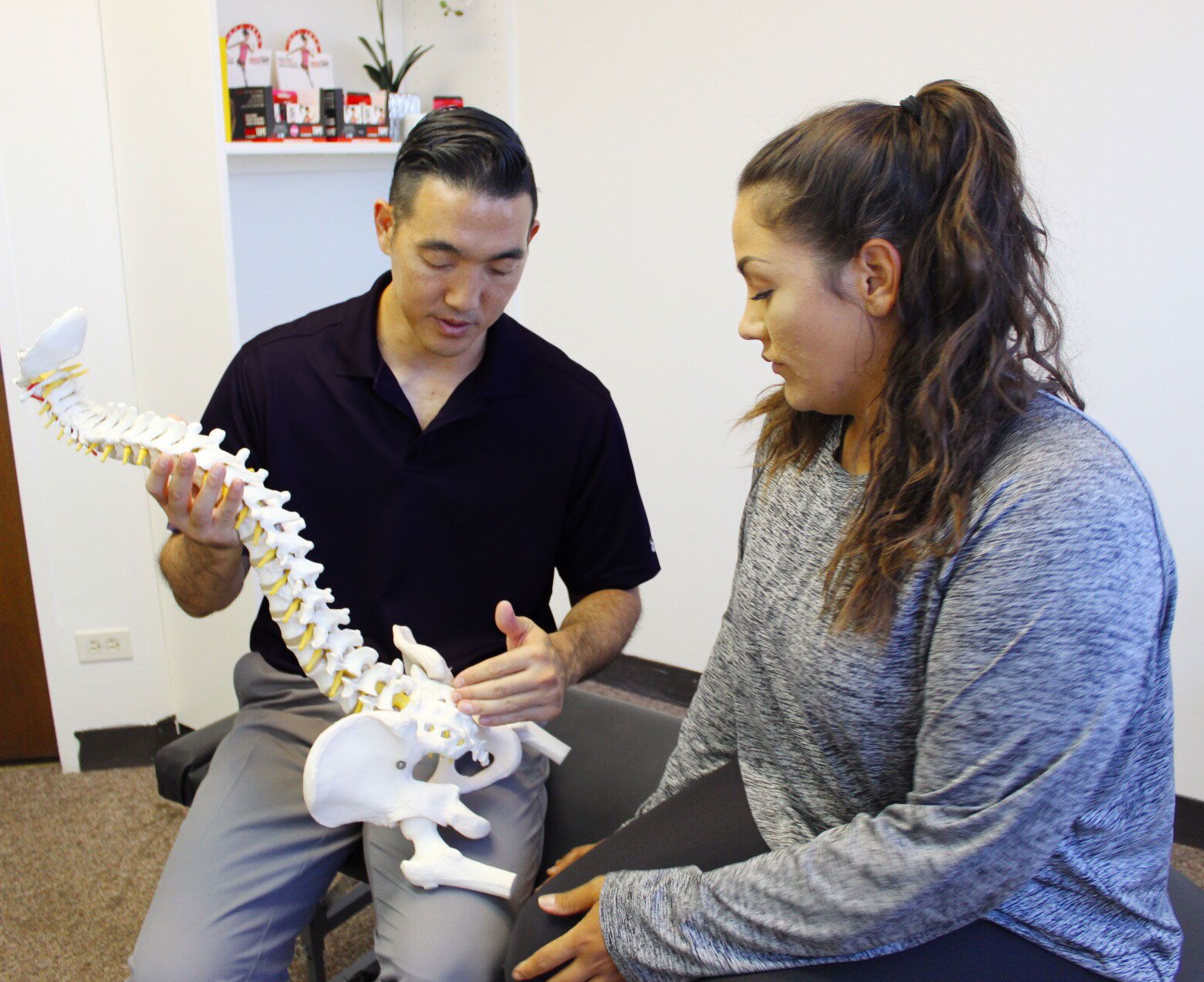
Chiropractic care focuses on improving spinal movement and supporting the nervous system. When joints in the spine move properly, communication between the brain and body can function more efficiently.
Adjustments help reduce areas of restriction, which may lower muscle tension and improve mobility. Many patients also notice that they feel more relaxed and balanced after care. This approach is not just about addressing pain. It is about helping the body operate more smoothly as a whole.
In addition to chiropractic care, small daily habits can support nervous system health. Regular movement, time outdoors, and consistent sleep all play a role in how the body handles stress. Paying attention to posture and taking breaks during the day can also reduce unnecessary strain. These simple changes help reinforce the benefits of care and support long-term wellness.
A Maintenance Approach To Feeling Better

Many people wait until something hurts before seeking care. A wellness approach focuses on maintaining how the body functions before problems become more noticeable.
Regular chiropractic visits can help keep the spine moving well and support the nervous system over time. This can make it easier to stay active, recover from daily stress, and feel more comfortable overall.
If you have noticed any of these signs or feel like your body is not operating at its best, it may be time to take a closer look. Our team is here to help you understand what is going on and create a plan that supports your long-term health.
Scheduling an appointment is a simple step toward helping your body reset and function the way it was designed to.