

Golf looks smooth and controlled, but the swing itself is one of the most complex movements in sports. It relies on timing, balance, and coordination from head to toe. For many players in Honolulu and across Hawaii, improving performance often comes down to one key factor that is easy to overlook: spinal rotation.
If your swing feels restricted, inconsistent, or is starting to cause lower back pain, the issue may not be your technique alone. It may be how your body is moving through the swing.
Why Spinal Rotation Matters In Golf

A powerful and consistent golf swing depends on the ability to rotate through the spine. During the backswing, the upper body rotates away from the target. During the downswing, it rotates back through with speed and control.
This rotation allows energy to build and transfer efficiently from the ground up. When the spine moves well, the swing tends to feel smoother and more connected. When rotation is limited, the body often finds other ways to compensate. That is when issues with performance and discomfort can begin to show up.
How Limited Mobility Affects Your Swing
Restricted movement in the spine or hips can change how your swing develops. Instead of rotating fully, you may start to sway, overuse your arms, or place extra stress on certain areas. This can lead to:
- Loss of power and distance
- Inconsistent ball contact
- Reduced control through the swing
- Increased strain on the lower back
Many golfers try to fix these issues by adjusting their swing mechanics, but if the body cannot move properly, those changes are difficult to maintain. Lower back pain from golf is one of the most common complaints among players. The repetitive nature of the swing, especially when combined with limited mobility, places stress on the lumbar spine.
When the upper back and hips do not rotate enough, the lower back often takes on more of the workload. Over time, that extra stress can lead to stiffness, soreness, or even injury. Improving how the body distributes movement across the spine can help reduce this strain.
How Chiropractic Care Supports Golf Performance
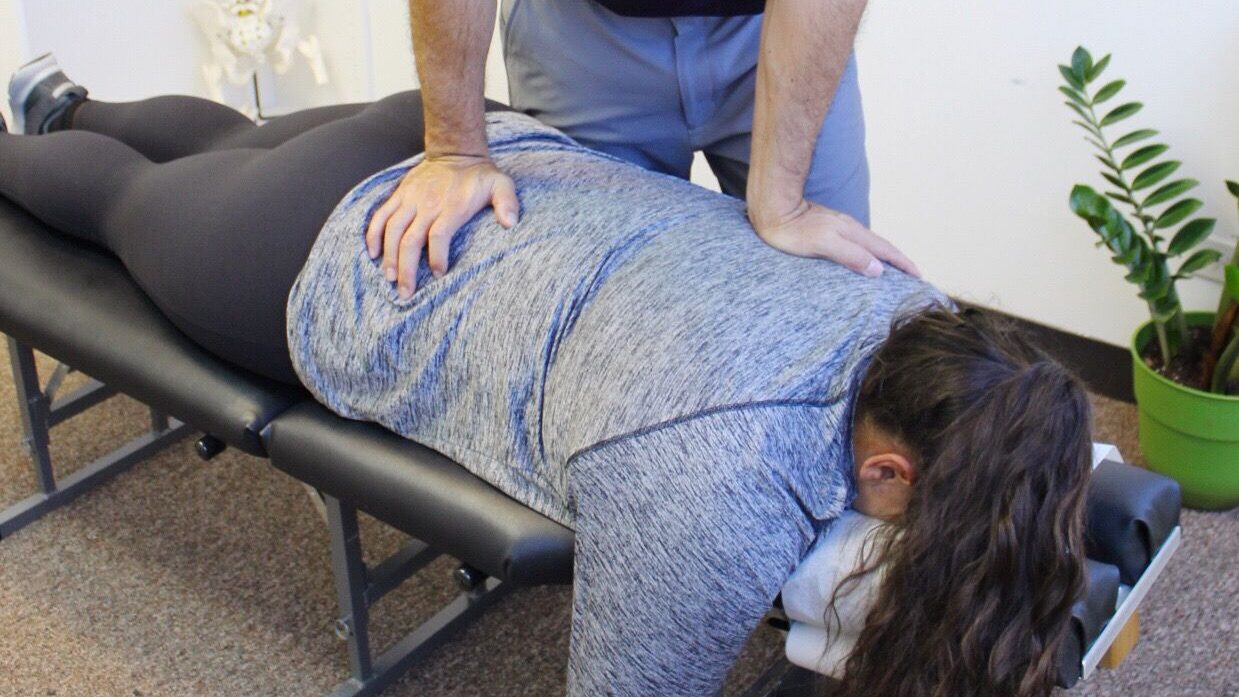
Chiropractic care focuses on improving joint mobility and overall movement. For golfers, this often means restoring motion in the spine and supporting better coordination between the upper and lower body.
When the joints of the spine move more freely, rotation can improve. This may help the swing feel more natural and reduce the need for compensations that lead to discomfort. Many golfers also notice that they feel less tight and more balanced after care, which can carry over into their time on the course.
Building A More Efficient Swing
An efficient swing is not just about strength. It is about how well different parts of the body work together. The hips, spine, and shoulders all need to contribute to create a smooth rotation. When one area is restricted, another area tends to work harder to make up for it. Over time, that imbalance can affect both performance and comfort.
By improving mobility and alignment, the body can move in a more coordinated way. This can lead to better consistency and less strain during play. Golfers don’t always need to overhaul their swing to see improvement. In many cases, small changes in mobility and movement can have a noticeable impact.
Focusing on posture, warming up before a round, and maintaining flexibility through the spine and hips can all support a better swing. These habits help the body prepare for the rotational demands of golf. When combined with chiropractic care, these changes can support both performance and long-term joint health.
Supporting Golfers In Hawaii

Whether you are playing a quick round on the weekend or spending more time refining your game, how your body moves matters. Improving spinal rotation can help you swing more efficiently and stay comfortable while doing it.
If you are dealing with stiffness, reduced mobility, or lower back pain during or after your rounds, a golf chiropractor in Hawaii may be able to help. Our team works with active patients who want to move better and stay consistent with the activities they enjoy.
Scheduling an appointment is a great step toward improving your golf swing and keeping your body ready for the course.