

You spend roughly a third of your life in bed, so it makes sense that your mattress and sleeping position can have a big impact on how your body feels. If you regularly wake up with stiffness, soreness, or lower back pain that improves as the day goes on, your sleep setup may be part of the problem.
Many people assume they need a new mattress as soon as back pain appears. Sometimes that is true, but in many cases the issue is more complex. Your sleeping position, spinal alignment, and the condition of your mattress all work together to influence how well your body recovers overnight.
How Sleep Affects Your Spine

Sleep is when your body does much of its repair and recovery. Muscles relax, tissues recover from the day’s activities, and the spine gets a chance to rest from hours of standing and sitting.
If your mattress does not properly support your body, your spine may stay in an awkward position for several hours at a time. Instead of waking up refreshed, you may wake up feeling tight, sore, or stiff. Over time, poor sleep posture can contribute to ongoing discomfort and make existing back problems feel worse.
Is It Your Mattress Or Your Sleeping Position?
It is not always easy to tell whether your mattress is the problem. In some cases, the mattress is providing adequate support, but your sleeping position is placing unnecessary stress on your spine.
For example, stomach sleeping often causes the neck to remain turned to one side for hours while placing extra pressure on the lower back. Side sleeping can be a comfortable option, but without proper support between the knees, the hips and lower back may fall out of alignment. Back sleeping generally allows the spine to stay in a more neutral position, especially when the head and knees are supported appropriately.
Looking at both your mattress and your sleep habits usually provides the clearest picture.
Signs Your Mattress May Be Wearing Out
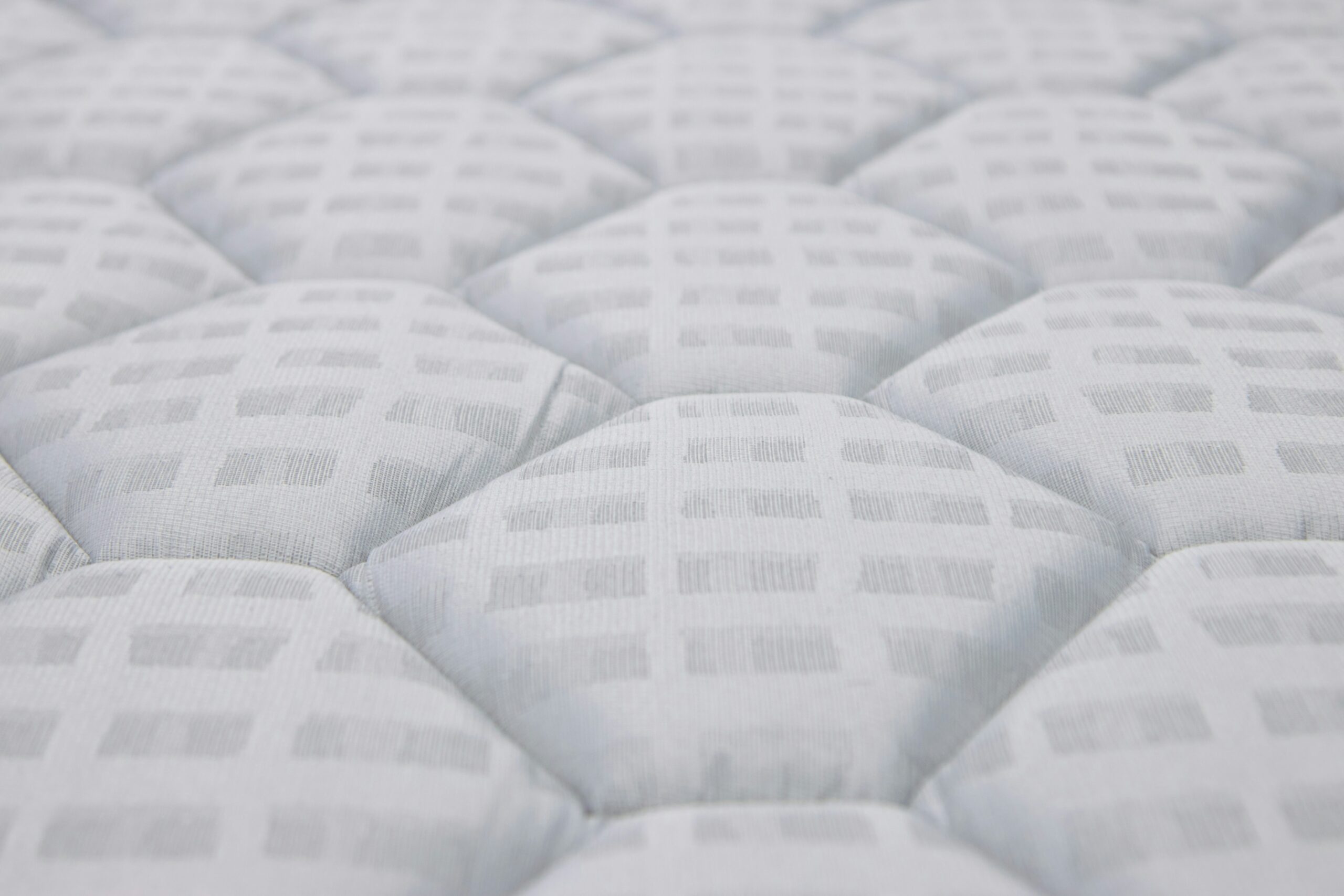
Mattresses do not last forever. Even a high-quality mattress gradually loses its ability to support the body as materials break down over time.
You may want to evaluate your mattress if you notice that you consistently wake up sore, the mattress has visible sagging or indentations, or you sleep better when staying in a hotel or another home. A mattress that no longer supports your body evenly can create pressure points and allow the spine to settle into unhealthy positions throughout the night.
Is A Firm Mattress Always Better?
One of the biggest misconceptions about back pain is that a firmer mattress is always the best choice. In reality, the right level of firmness depends on your body type, sleeping position, and personal comfort. A mattress that is too firm may create excessive pressure on the shoulders and hips, while one that is too soft may allow the spine to sink out of alignment.
For many people, a medium-firm mattress provides a balance of comfort and support. The goal is to keep the spine as neutral as possible while reducing unnecessary pressure on the joints.
Improving Your Chiropractic Sleep Posture

Your mattress is only one part of the equation. Small changes in how you sleep can also reduce strain on your back. Side sleepers often benefit from placing a pillow between their knees to help keep the hips aligned. Back sleepers may find that a pillow beneath the knees reduces pressure on the lower back by supporting the natural curve of the spine.
If you sleep on your stomach, gradually transitioning to another position may help reduce stress on both the neck and lower back over time.
How Chiropractic Care Can Help
If you have already replaced your mattress but continue to wake up with pain, the problem may involve more than your bed. Knowing when you need a chiropractor is important. Chiropractic care evaluates how your spine and joints are moving, helping identify restrictions or imbalances that may contribute to discomfort while sleeping. Improving spinal mobility and alignment can help the body rest in a more natural position and recover more effectively overnight.
Your chiropractor may also provide guidance on sleep posture, pillow placement, and other adjustments that complement your care between visits.
When Back Pain Should Be Evaluated
Occasional stiffness after an unusual night’s sleep is common. However, pain that returns every morning or continues for weeks deserves attention.
If your discomfort improves after you get moving but returns every time you wake up, it may be time to look beyond the mattress itself. Identifying the underlying cause early can help prevent the problem from becoming more persistent.
Getting Better Sleep

Quality sleep is one of the most important parts of staying healthy and active. The right mattress, proper sleep posture, and good spinal health all contribute to waking up feeling your best.
If you are sleeping with back pain or wondering whether your mattress is making things worse, our team can help evaluate how your spine is functioning and recommend solutions based on your individual needs. Scheduling an appointment is a great first step toward improving your sleep, reducing back pain, and helping your body recover more comfortably every night.